Describe the cover or upload a reference image — get polished concepts in seconds.
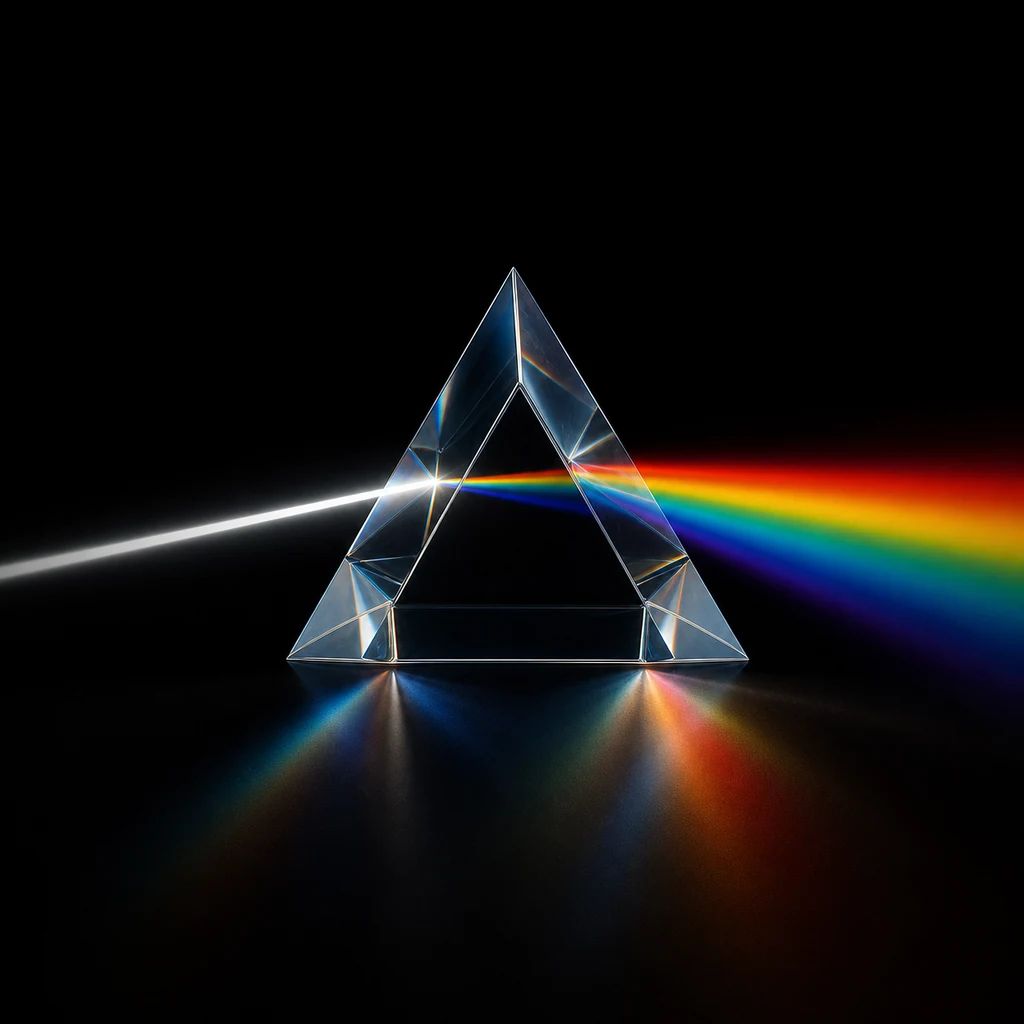
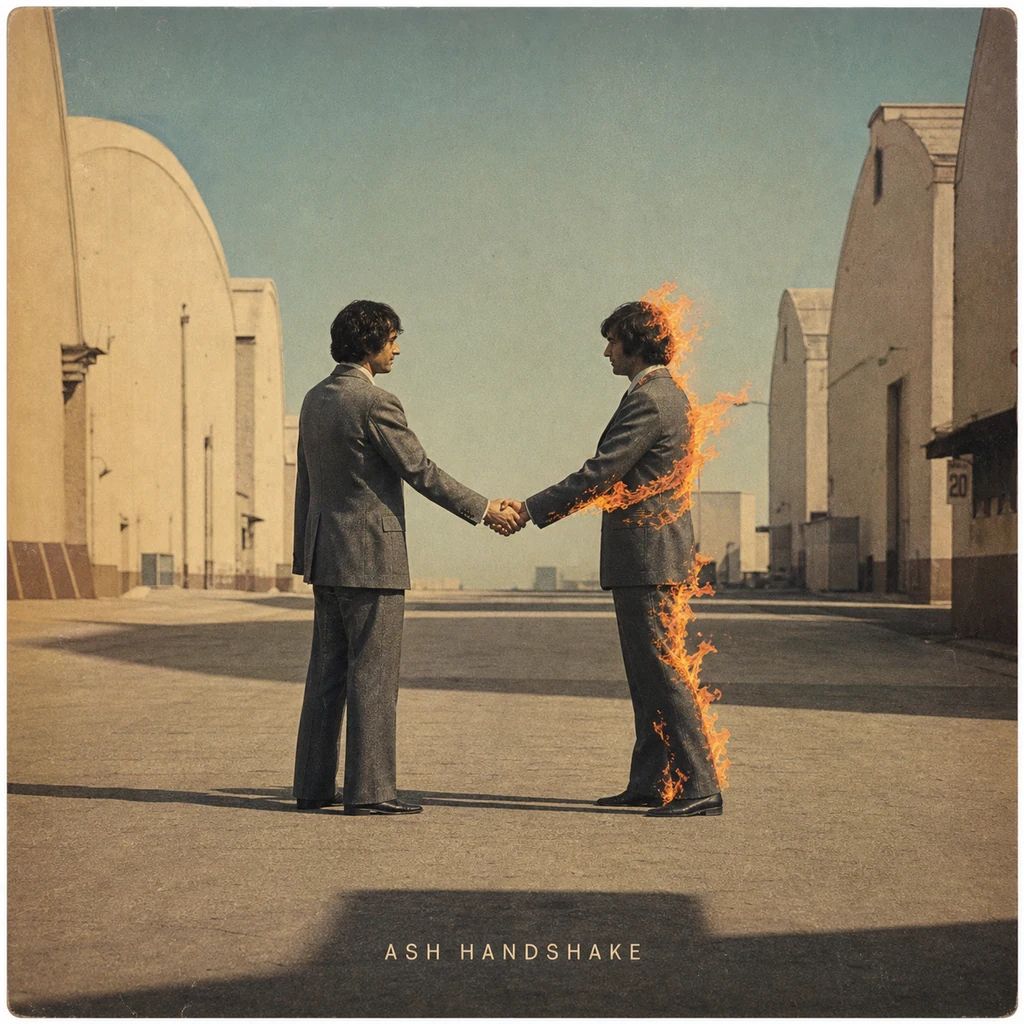
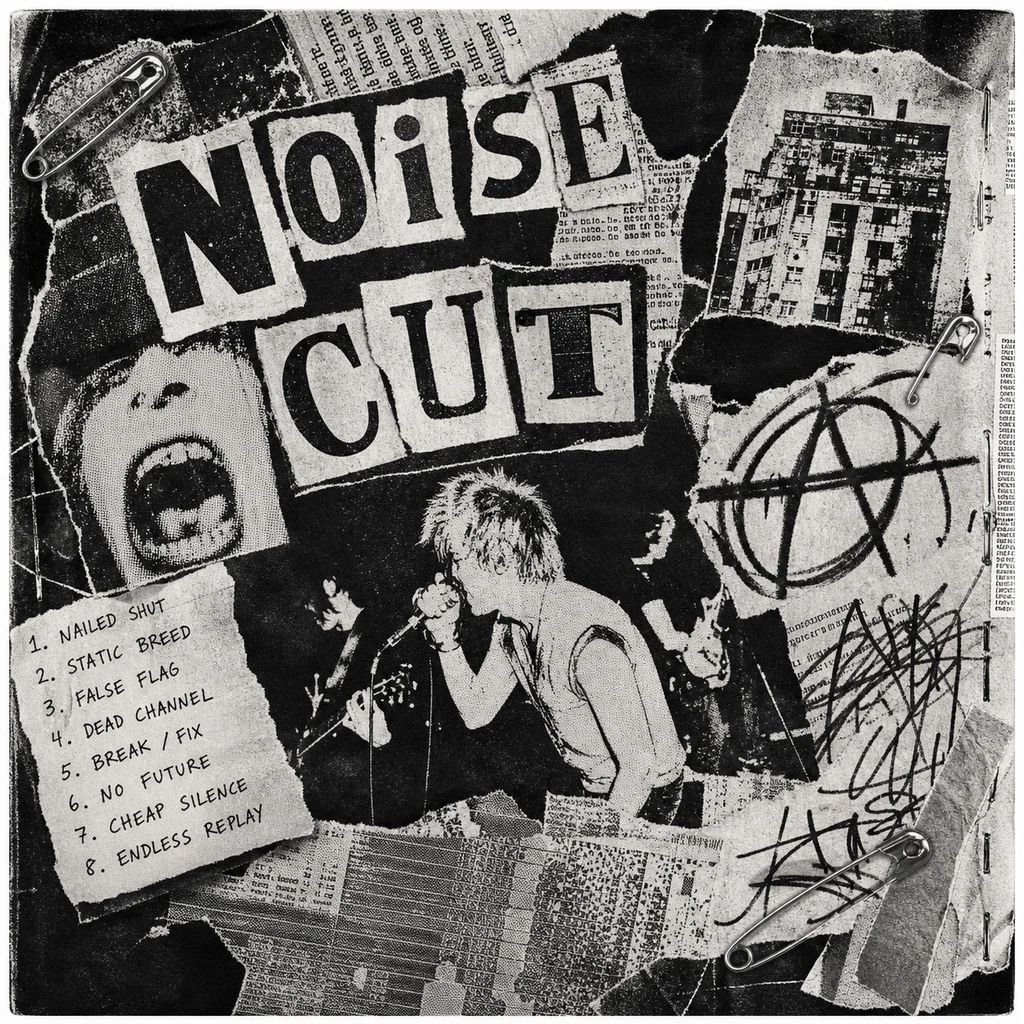
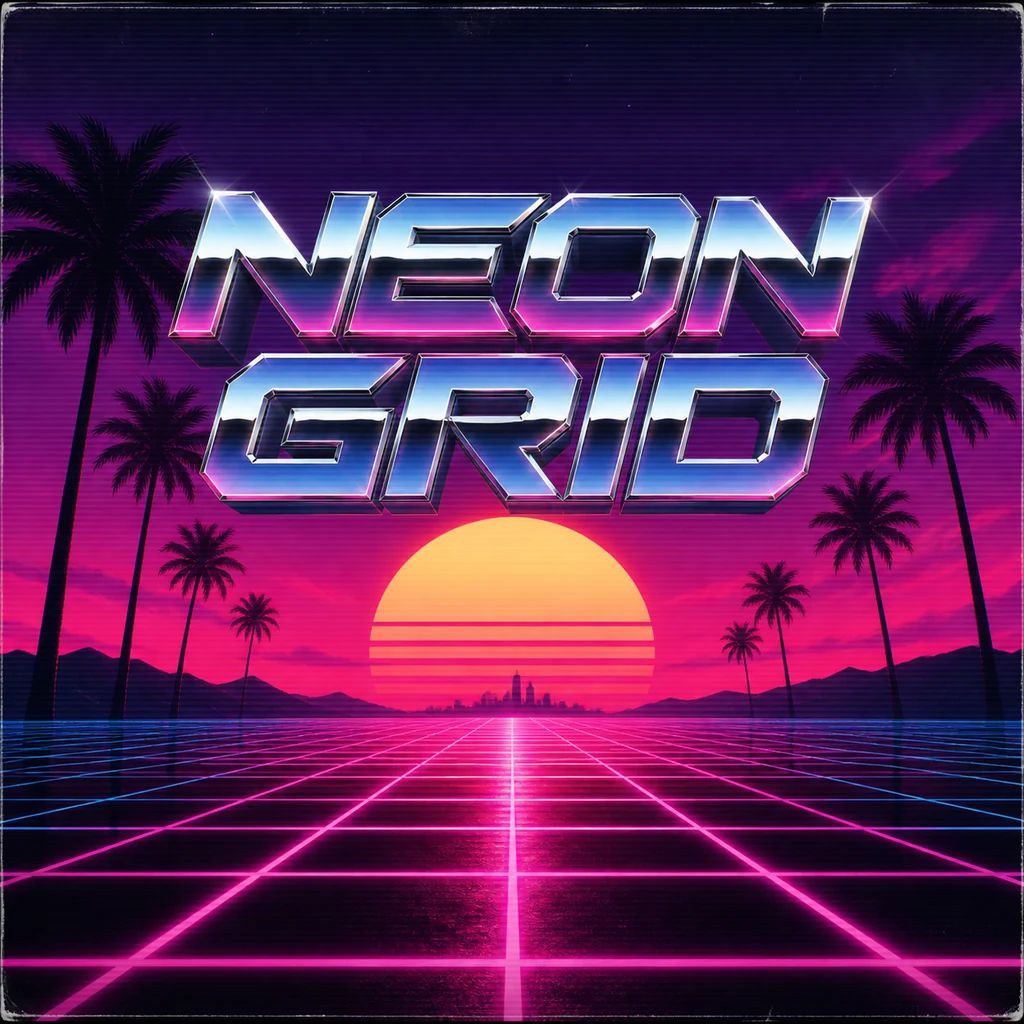
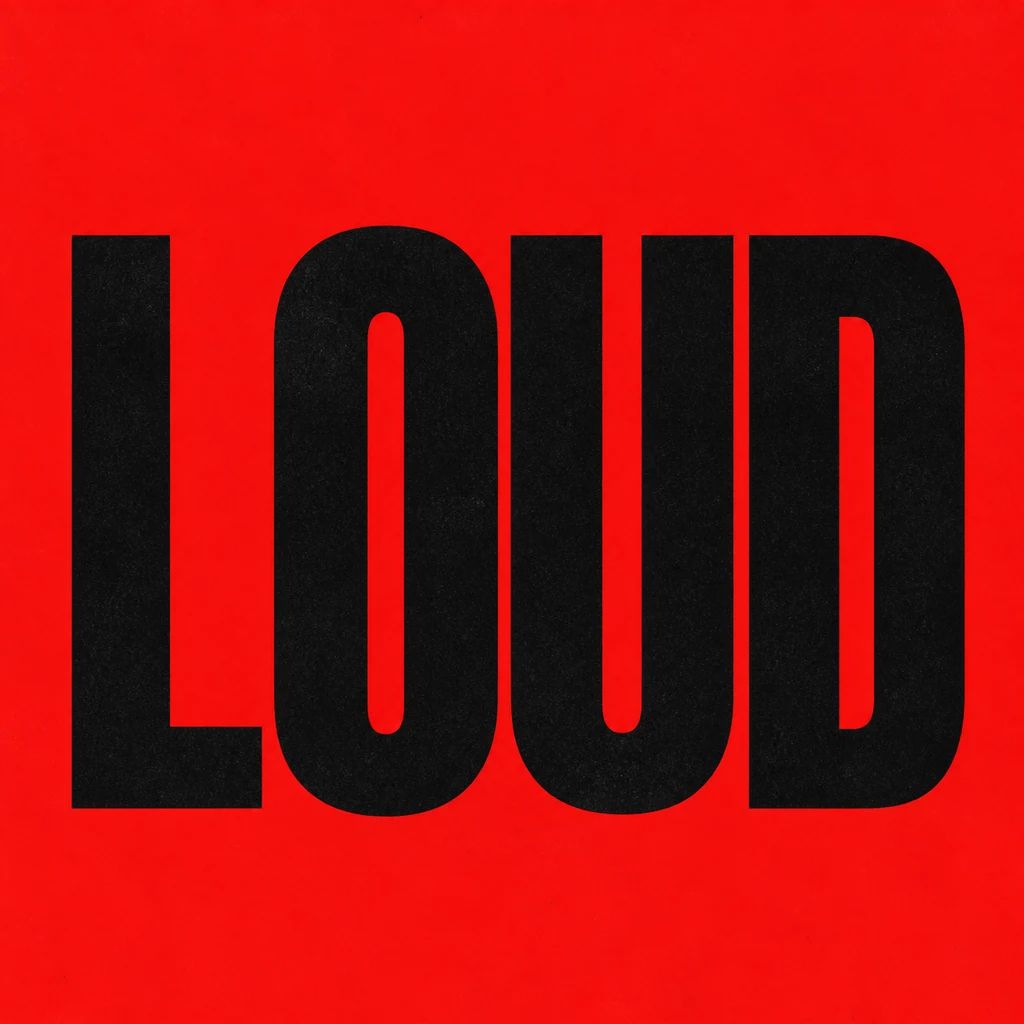
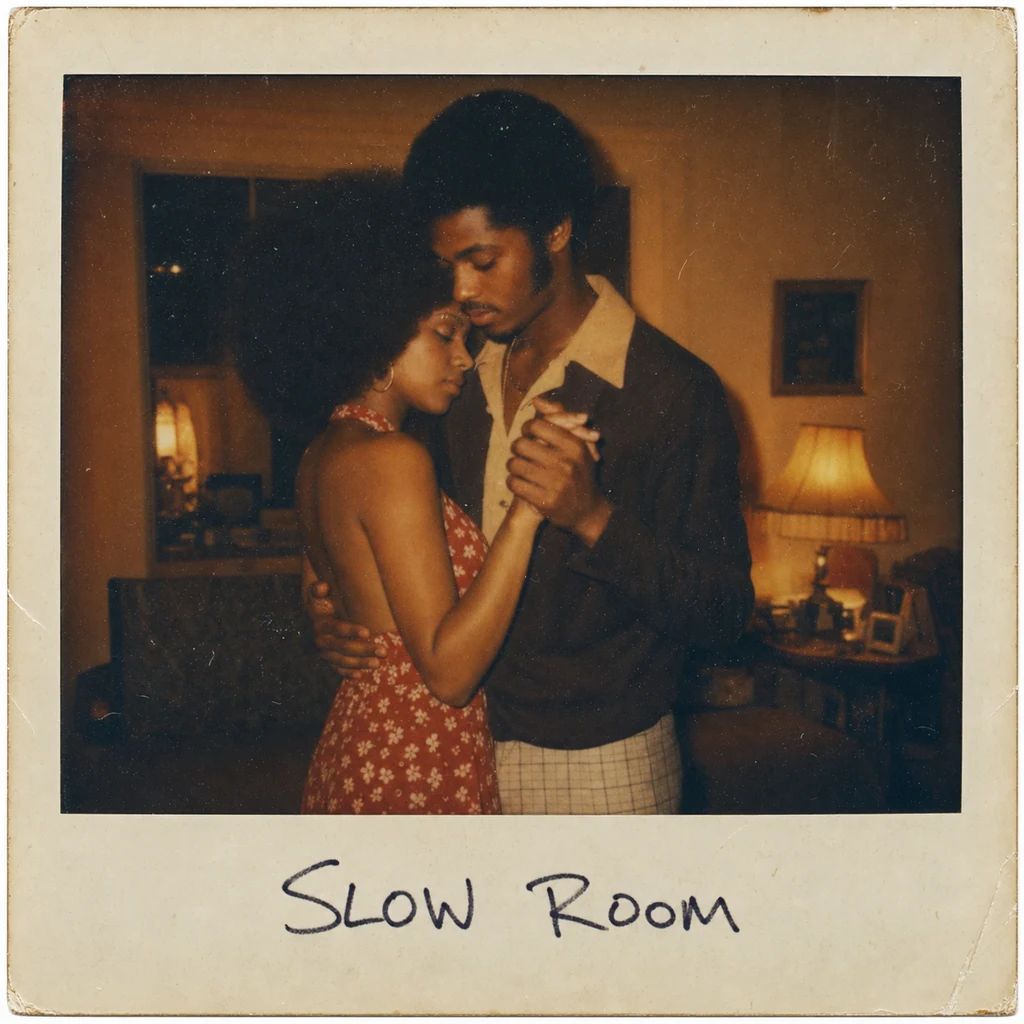
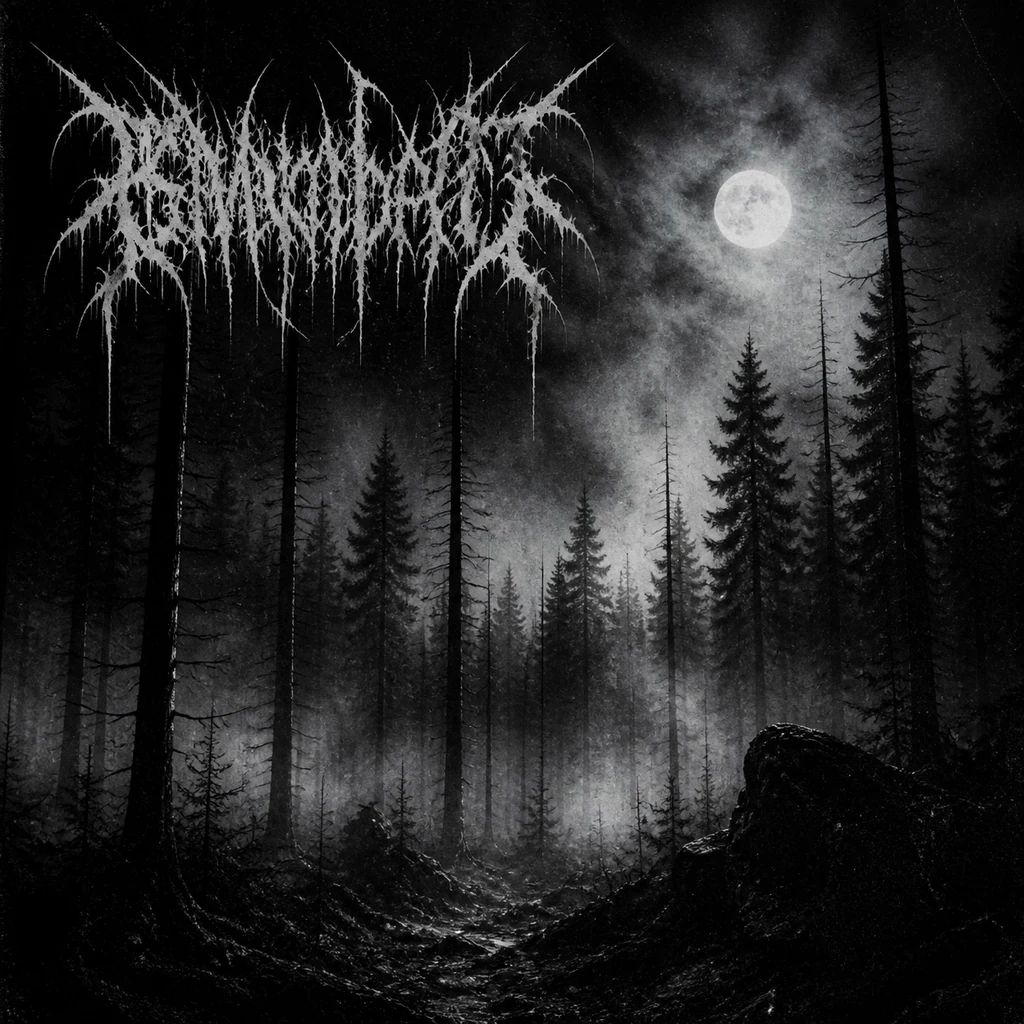
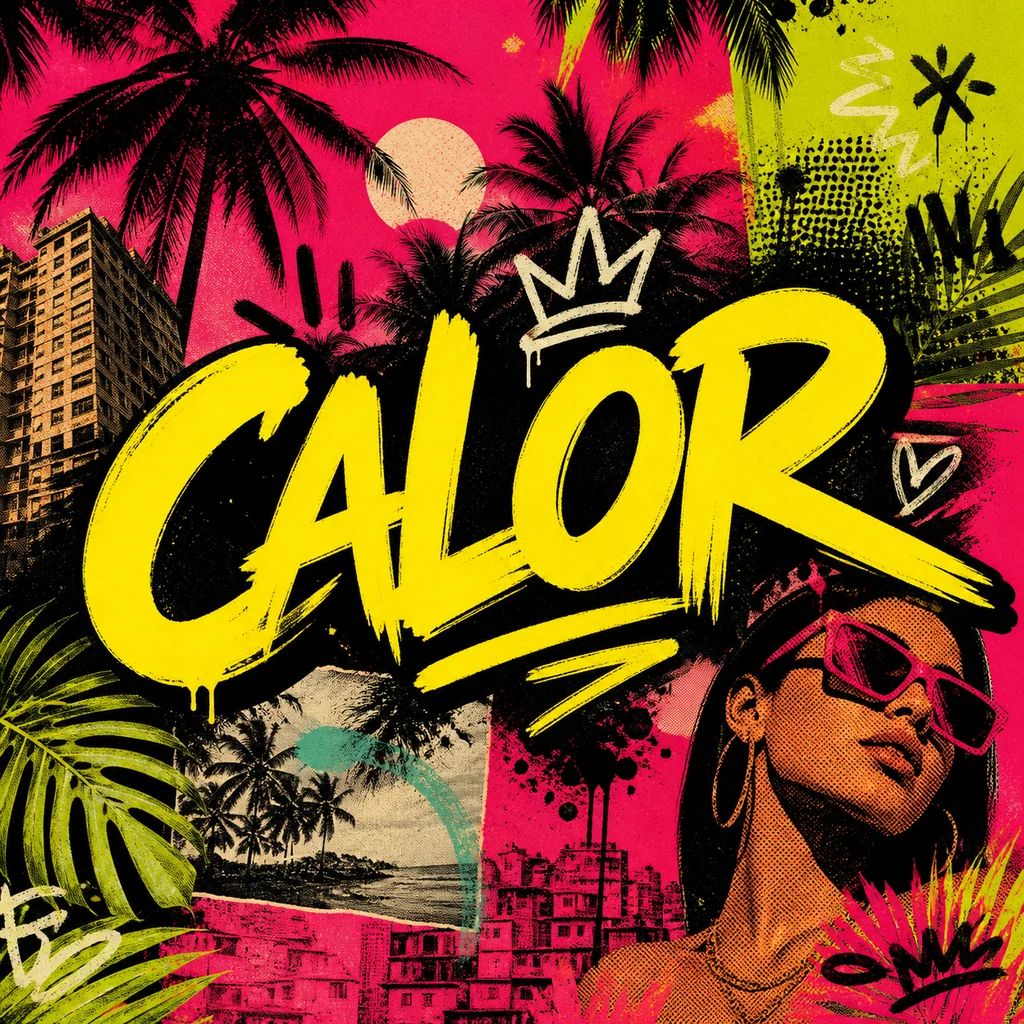
Images expire after 45 days — download to keep
Album Cover Generator — Studio-Quality Cover Art From Your Track
Built for the Way Independent Artists Actually Ship
Tuned to Your Track, Not a Generic Prompt
Streaming-Ready 3000×3000 Export
Era Presets From 70s Vinyl to Y2K Burned CD
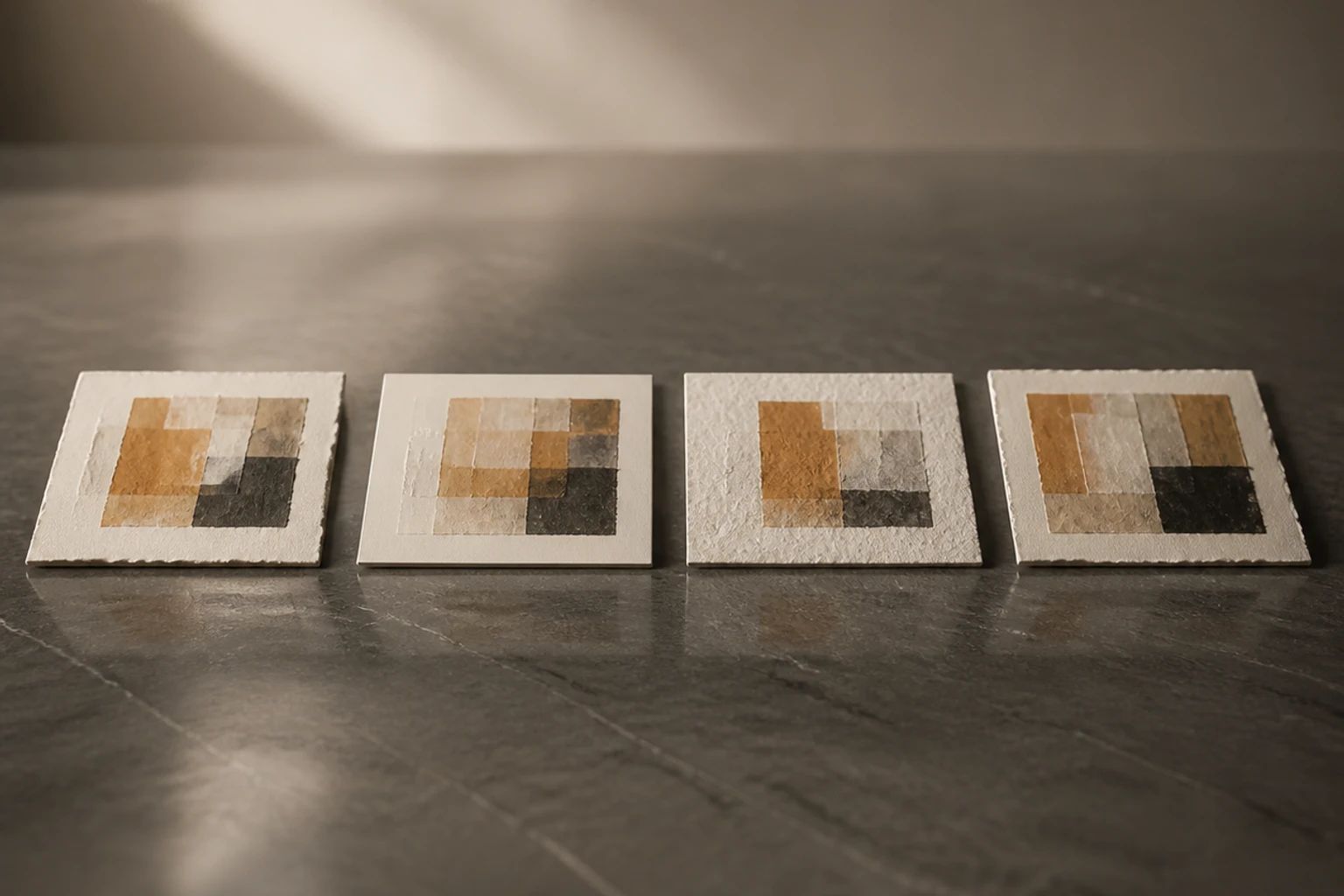
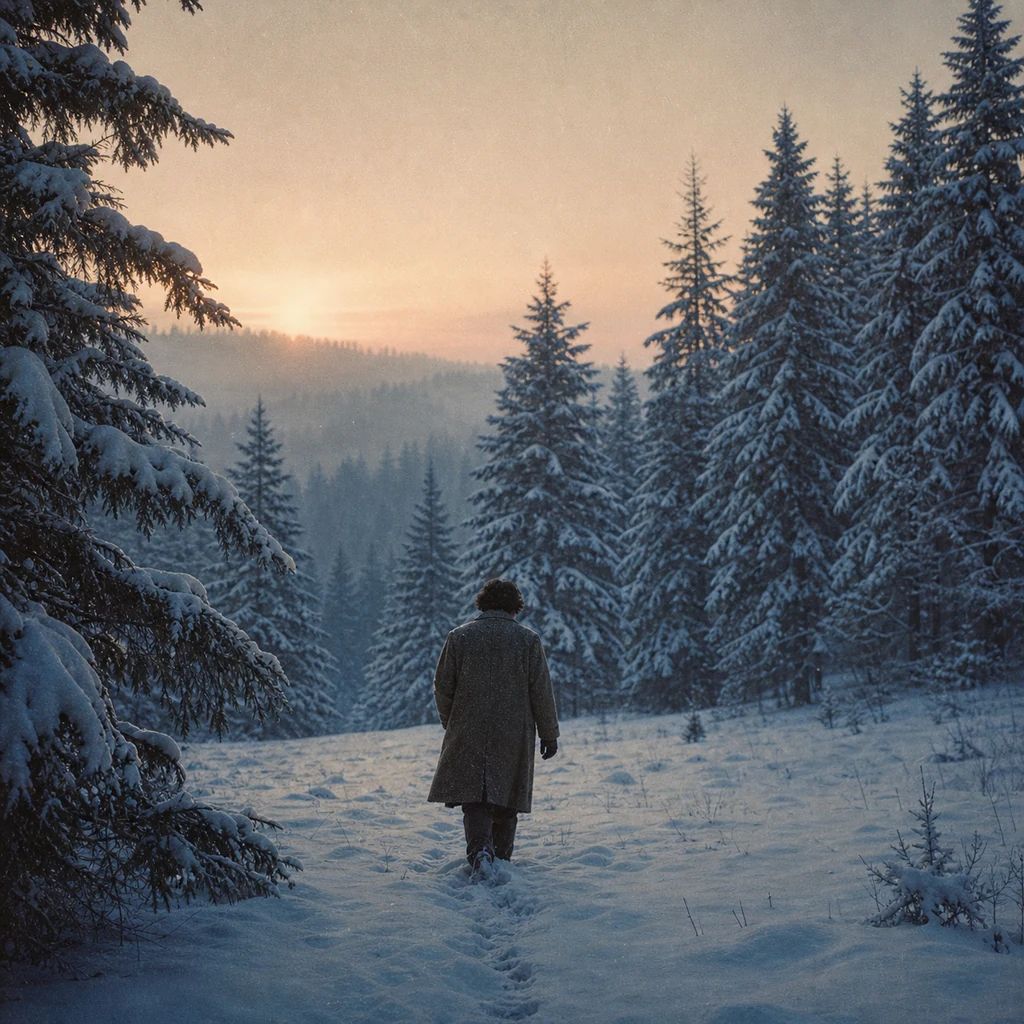
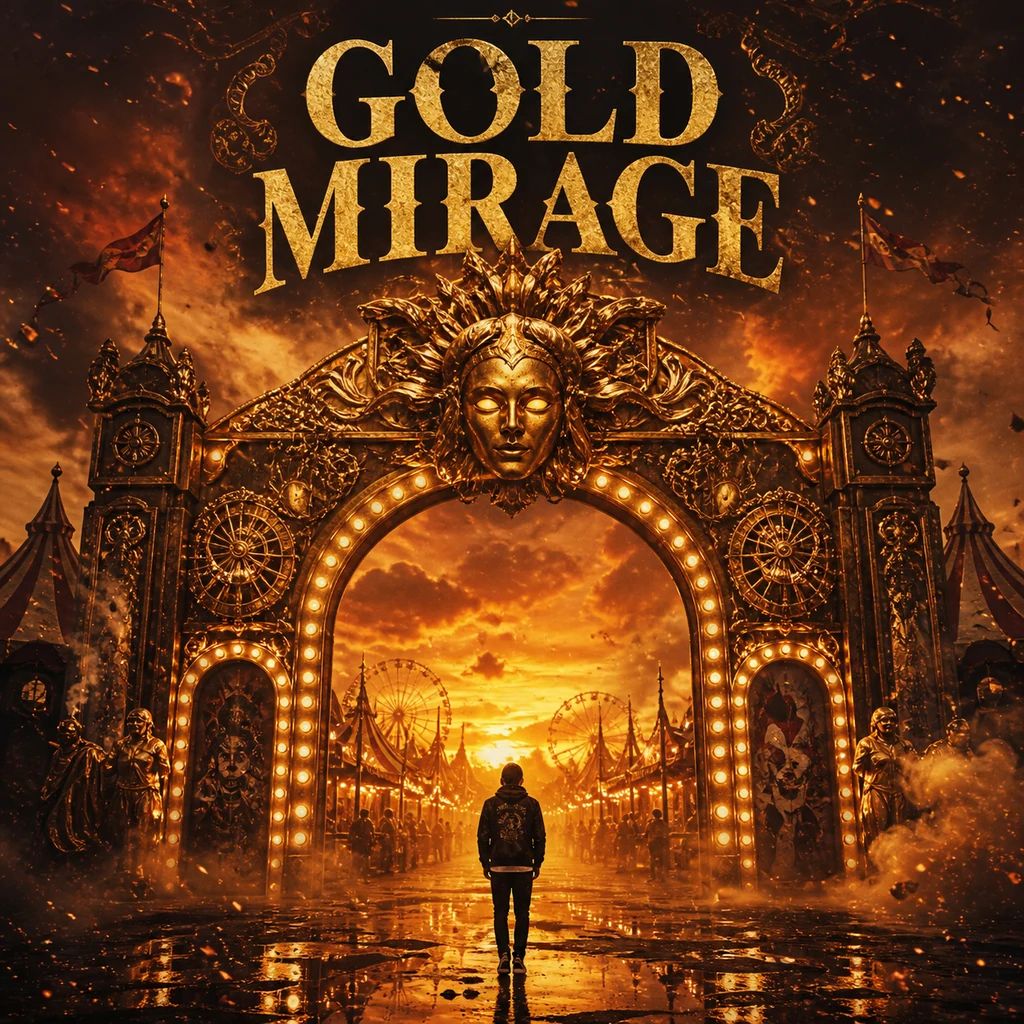
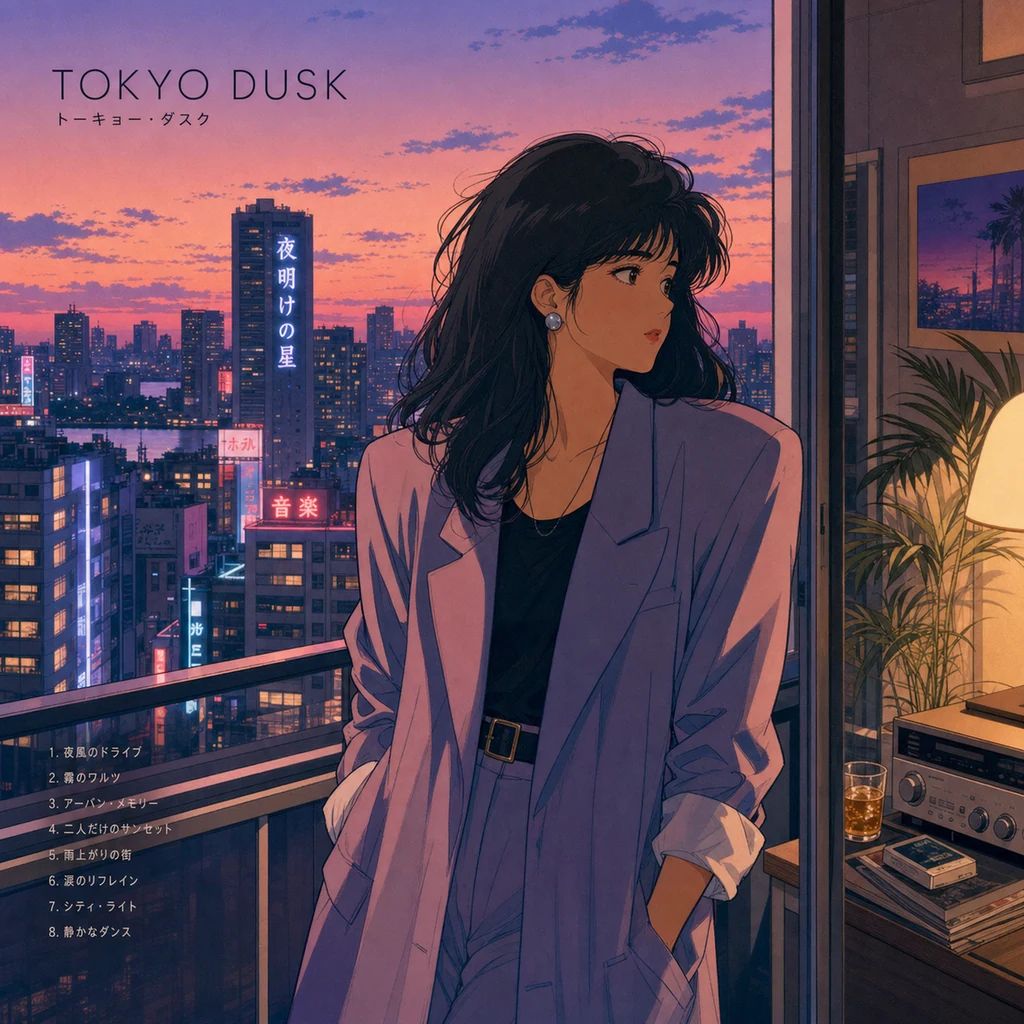
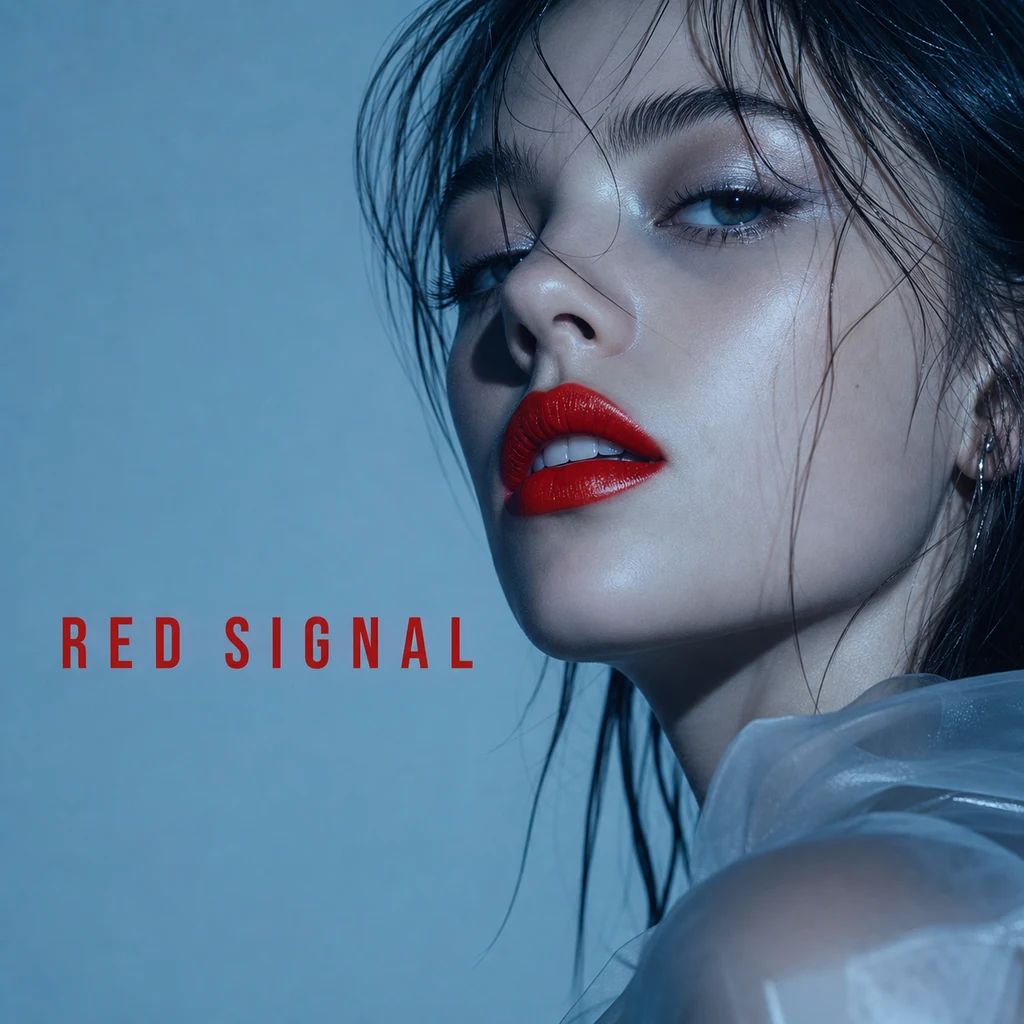
Up to 4 Variations Per Run, You Pick
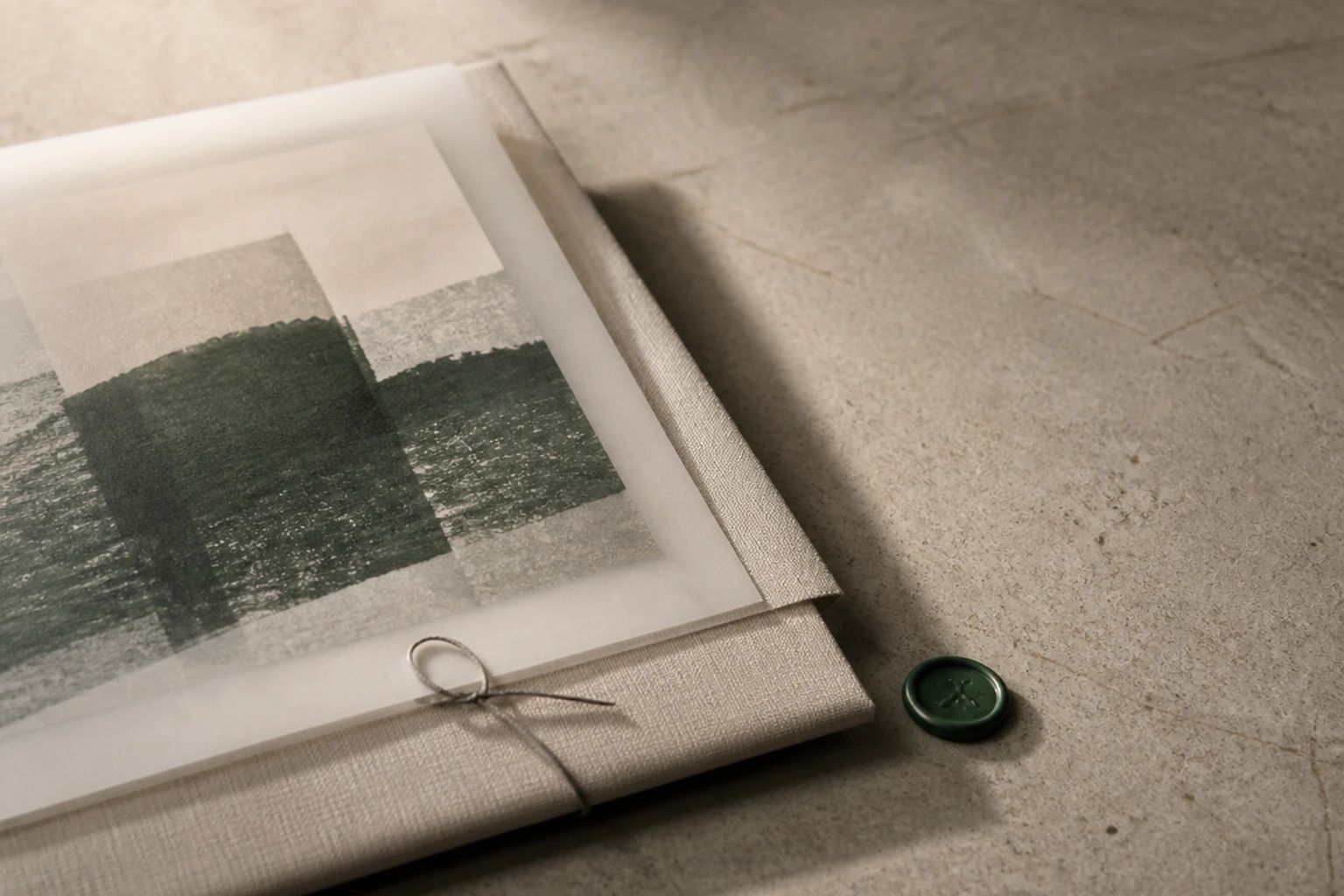
You Own the Output, Commercial Use Included
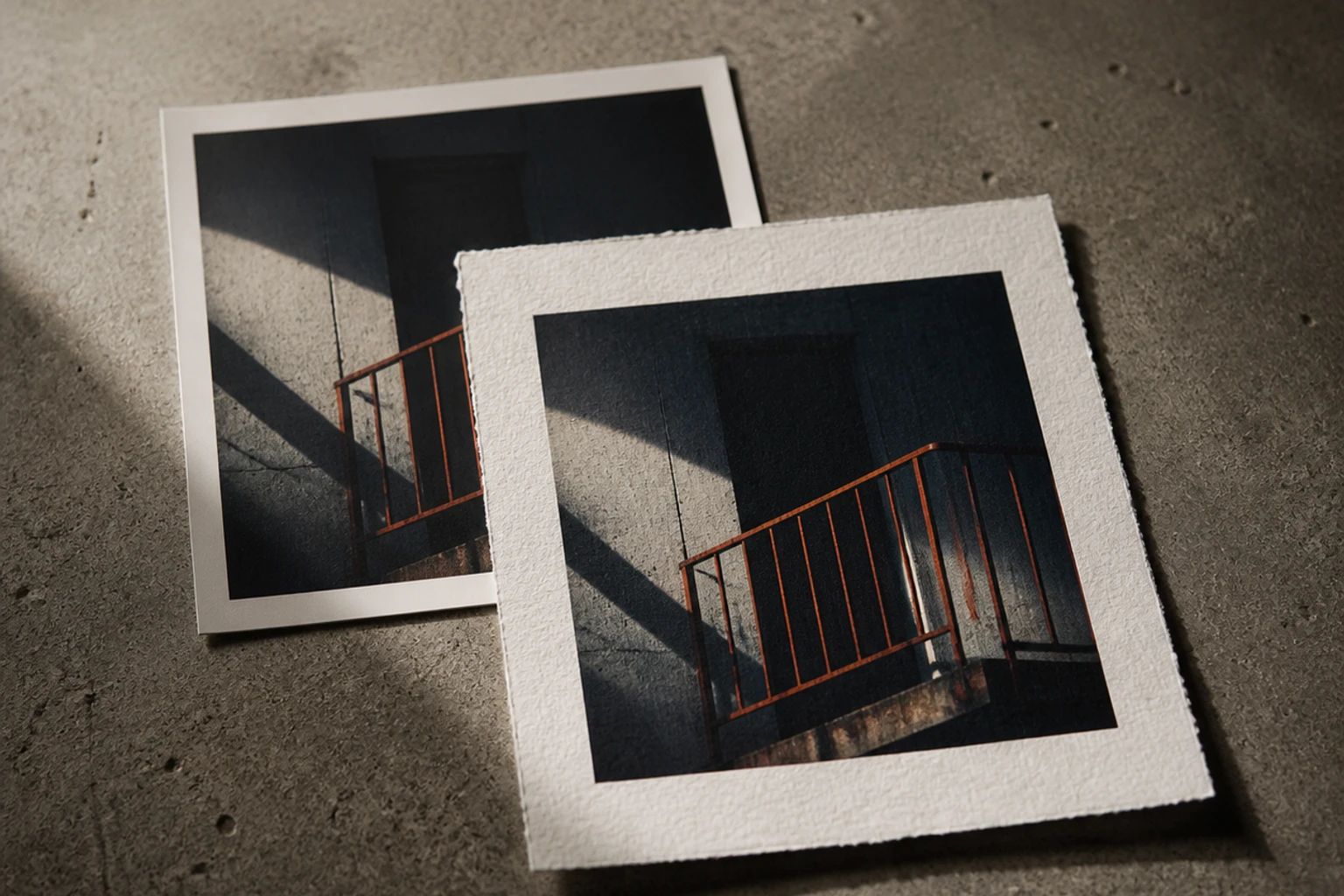
Image-to-Image From Your Own Photo
Where Indie Artists Use It Every Week
Common workflows where a fast, music-aware cover beats a freelance illustrator round.
First Single on Spotify
Get a release-ready cover before your distributor's submission deadline closes — no need to learn Figma or hire out for a $300 one-off.
Weekly Lo-Fi or Beat Drops
Producers shipping a track per week generate matching covers in batches, so the catalog reads as a coherent visual series across all DSPs.
Mixtape / EP Bundles for SoundCloud
Generate one master art direction and four track-level variants in one session, keeping the EP visually unified without paying per asset.
Podcast Cover Art With Episodic Variants
Build a base brand cover, then re-render per-episode variants that signal mood shifts without rebuilding the brand from scratch every week.
Re-release & Remaster Visual Refreshes
Modernize a back-catalog re-release with cover art that fits 2026 streaming aesthetics, while keeping recognizable color cues from the original press.
Pre-Drop Social Teasers
Spin up Instagram, TikTok and YouTube Shorts teaser visuals from the same cover concept — release-day brand consistency without a separate design pass.
Frequently Asked Questions
Yes. Both Spotify and Apple Music currently accept AI-generated cover art as long as it does not infringe a real artist's likeness, contain protected logos, or include explicit text that violates platform policy. You own the covers you generate here, so your distributor (DistroKid, TuneCore, CD Baby, etc.) will not reject them on rights grounds.
Every export is sized to 3000 × 3000 pixels, which is the standard required by all major DSPs:
- Spotify: minimum 640×640, recommended 3000×3000
- Apple Music: minimum 3000×3000
- Tidal: minimum 1280×1280, recommended 3000×3000
- YouTube Music: minimum 1400×1400
- Deezer: minimum 1000×1000
One export covers every platform with no resizing required.
Typical generation time is around 30 seconds for a 4-variation batch. Heavier image-to-image runs with a reference photo can take up to 60 seconds. Most users get from blank brief to chosen final cover in under 5 minutes including iteration.
Three concrete differences:
- Music-aware prompt weighting — style, era and palette are scored against reference packs of real album art from that genre, so a synthwave EP does not get an oil-painting cover
- Streaming-ready output — fixed 3000×3000 PNG, no upscale step required, no DistroKid rejections
- You own the output — generic image tools require you to read their commercial-use terms case by case; here ownership for streaming, vinyl and merch is included by default.
Yes. You own the covers you generate and can use them commercially — paid streaming, physical releases, merch and social — no royalty share back to Lacuna, no per-stream cut, no expiration.
Yes. The image-to-image mode accepts JPG, PNG and HEIC files up to 20 MB. It preserves the core composition and subject of your reference while restyling tone, palette and finish — useful when you want your own face or your band's tour photo on the cover without a full studio shoot.
Ready to Drop With Real Cover Art?
What Independent Artists Are Saying
Replaced our weekly Photoshop session — we now ship 4 cover variations for our Friday singles in under 5 minutes total, instead of the 90-minute back-and-forth with our designer.
Used it for a 12-track lo-fi compilation. Each cover came out tonally matched to the BPM and key of the actual song — saved roughly $1,800 vs the freelance illustrator quote I had on file.
Our podcast 'Off-Beat Theory' rebranded 18 episode covers in one afternoon. The 90s grunge preset nailed the aesthetic without me writing a single design brief.
Best part: the 3000×3000 PNG uploaded straight to DistroKid with zero resize. Saved me from learning Figma for the third time this year.
Generated 60 cover concepts for an 80s synthwave album in a weekend. Picked 3 finals, the rest fed straight into our merch line and Instagram teaser posts.
Tested it against Canva, Placeit and a freelance illustrator on a 48-hour EP deadline — Lacuna was the only one where the cover actually felt like it belonged to the track, not generic stock art.